Notice: file_put_contents(): Write of 128 bytes failed with errno=122 Disk quota exceeded in /home/u432326315/domains/fq101.co.uk/public_html/libraries/vendor/joomla/filesystem/src/File.php on line 279
Notice: file_put_contents(): Write of 128 bytes failed with errno=122 Disk quota exceeded in /home/u432326315/domains/fq101.co.uk/public_html/libraries/vendor/joomla/filesystem/src/File.php on line 279
Notice: file_put_contents(): Write of 128 bytes failed with errno=122 Disk quota exceeded in /home/u432326315/domains/fq101.co.uk/public_html/libraries/vendor/joomla/filesystem/src/File.php on line 279
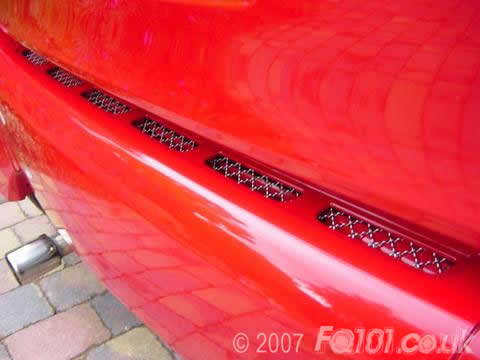
Notice: file_put_contents(): Write of 128 bytes failed with errno=122 Disk quota exceeded in /home/u432326315/domains/fq101.co.uk/public_html/libraries/vendor/joomla/filesystem/src/File.php on line 279 Meshing the rear vents
Notice: file_put_contents(): Write of 128 bytes failed with errno=122 Disk quota exceeded in /home/u432326315/domains/fq101.co.uk/public_html/libraries/vendor/joomla/filesystem/src/File.php on line 279
Notice: file_put_contents(): Write of 128 bytes failed with errno=122 Disk quota exceeded in /home/u432326315/domains/fq101.co.uk/public_html/libraries/vendor/joomla/filesystem/src/File.php on line 279
Notice: file_put_contents(): Write of 128 bytes failed with errno=122 Disk quota exceeded in /home/u432326315/domains/fq101.co.uk/public_html/libraries/vendor/joomla/filesystem/src/File.php on line 279
Notice: file_put_contents(): Write of 128 bytes failed with errno=122 Disk quota exceeded in /home/u432326315/domains/fq101.co.uk/public_html/libraries/vendor/joomla/filesystem/src/File.php on line 279
Notice: file_put_contents(): Write of 128 bytes failed with errno=122 Disk quota exceeded in /home/u432326315/domains/fq101.co.uk/public_html/libraries/vendor/joomla/filesystem/src/File.php on line 279
Notice: file_put_contents(): Write of 128 bytes failed with errno=122 Disk quota exceeded in /home/u432326315/domains/fq101.co.uk/public_html/libraries/vendor/joomla/filesystem/src/File.php on line 279
Meshing the rear vents
If you're looking for a more finished look on the rear of your smart then turn your head to the rear vents in the back panel and add some mesh. The car pictured below has the mesh siliconed on from the bottom but it can be secured with various different methods, ie: clips, ties etc.